Every claim, traced to its source. EviBrief drafts policy briefs from published evidence, flags what it cannot trace, and leaves every decision to people.
Sign in with your Tropenbos Ghana Workspace account. Personal Google accounts are not accepted.
How a brief is made
Four steps run in EviBrief. The fifth is a decision made by people, and no brief moves past it on its own.
Step 1: Policy Radar
Checks Ghanaian, EU and international sources on a schedule, and records each new policy opening as a signal.
Step 2: Evidence Matcher
Finds the published evidence most relevant to each signal. When nothing relevant exists, it says so.
Step 3: Draft
When an officer asks for one, drafts a brief for the chosen audience and cites a source for each claim.
Step 4: Fact-check
Checks every figure and claim against the evidence it was given. Anything it cannot trace is flagged for a person to review.
Step 5: Review and approval
A Research Officer resolves the flags. A Programme Director approves, sends back or rejects the brief, and decides whether it is submitted.
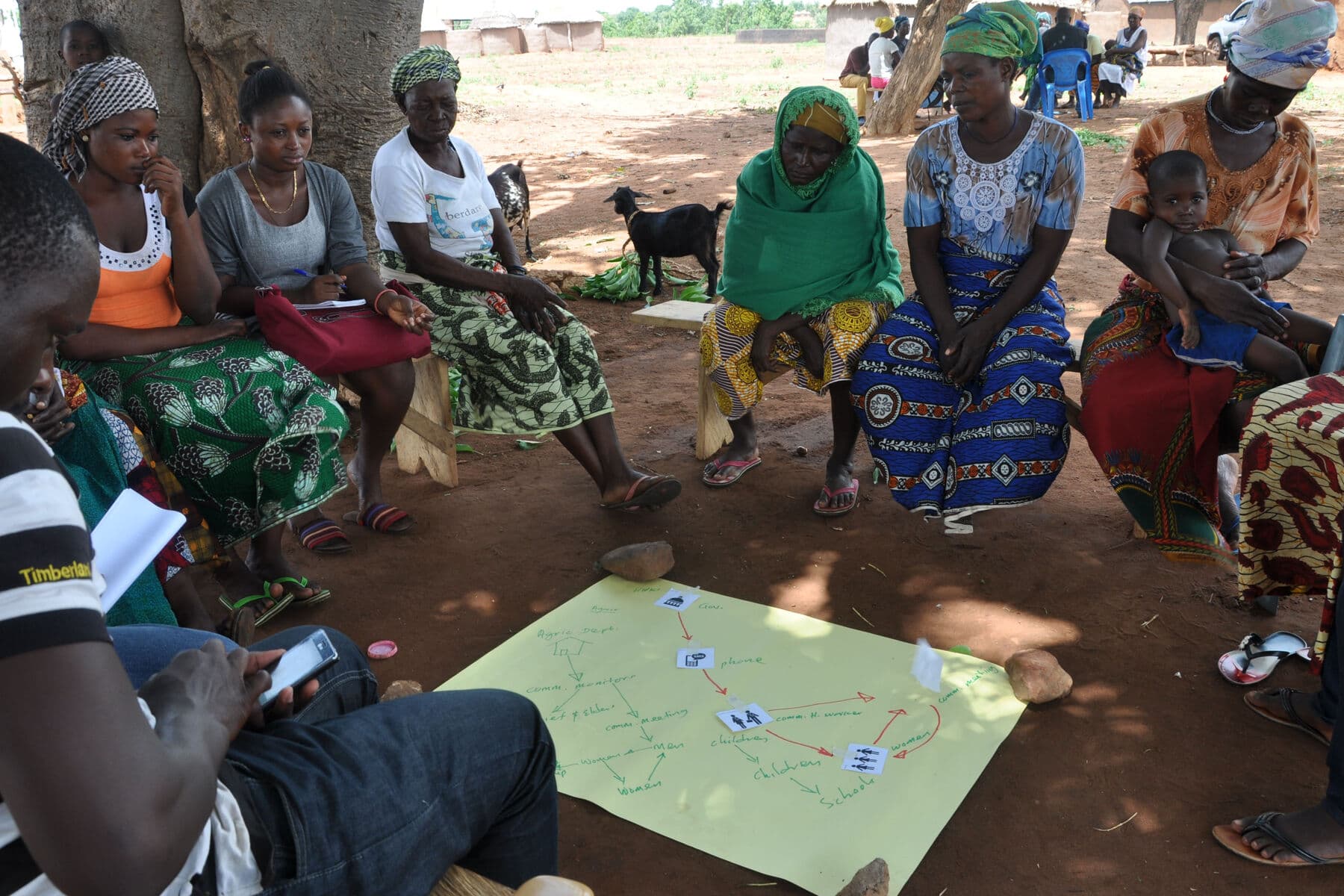
Community evidence never goes to the AI model.
Much of Tropenbos Ghana’s field evidence belongs to the farmers and communities who shared it. These rules are built into the software, so they don’t depend on anyone remembering them.
Only published evidence reaches the AI model.
Everything new starts as unpublished internal and stays blocked until a Research Officer classifies it.
Community and internal data stay on systems Tropenbos controls.
Field observations and testimony are never copied into third-party logs, error reports or analytics.
Nothing is submitted on its own.
EviBrief drafts and flags. A Programme Director approves every brief, and submission is always a person’s decision.
From landscape to policy
The evidence comes from two named landscapes. The policy that shapes them is made in Accra, in Brussels and by international bodies, and a brief has to be credible at each of those levels.
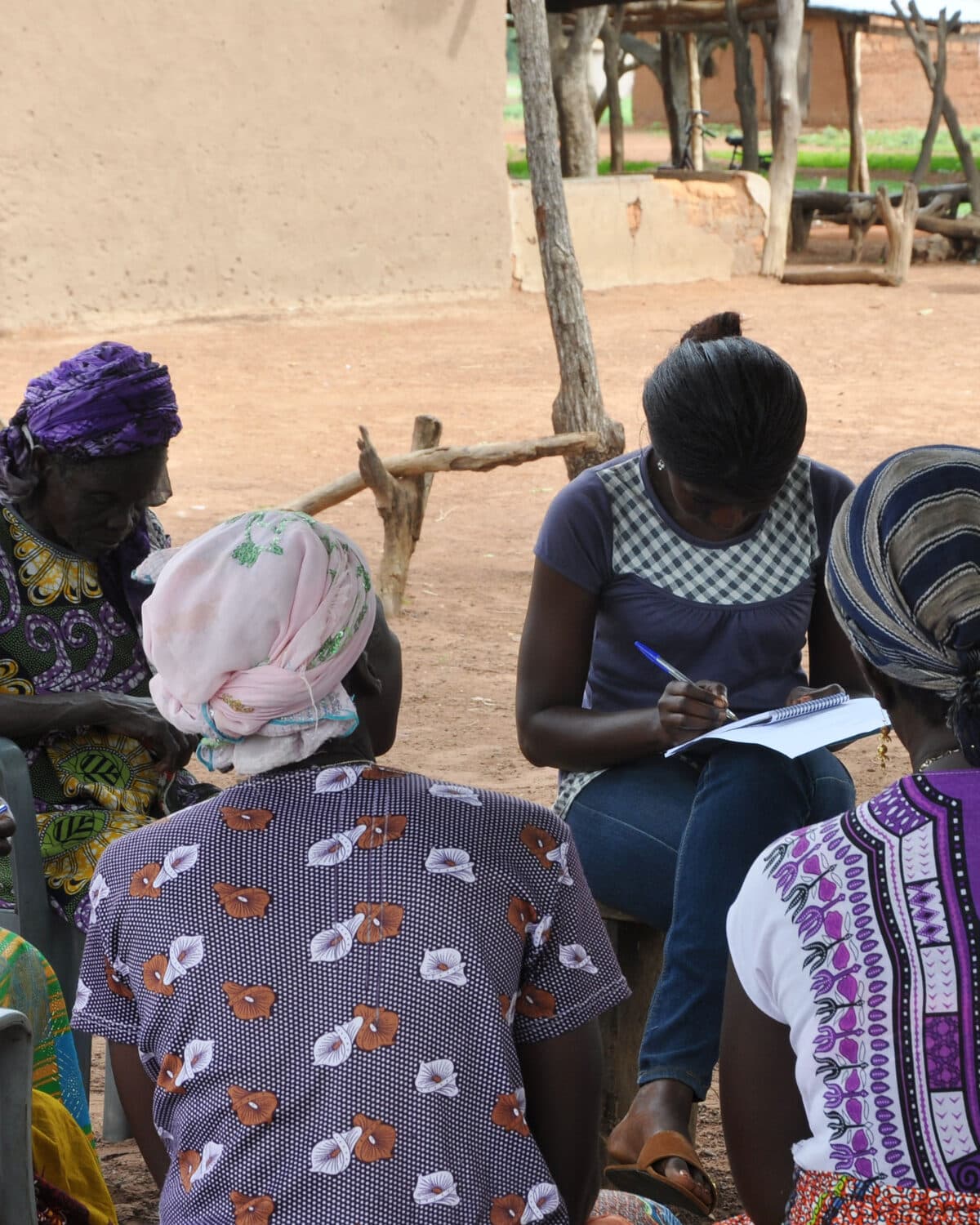
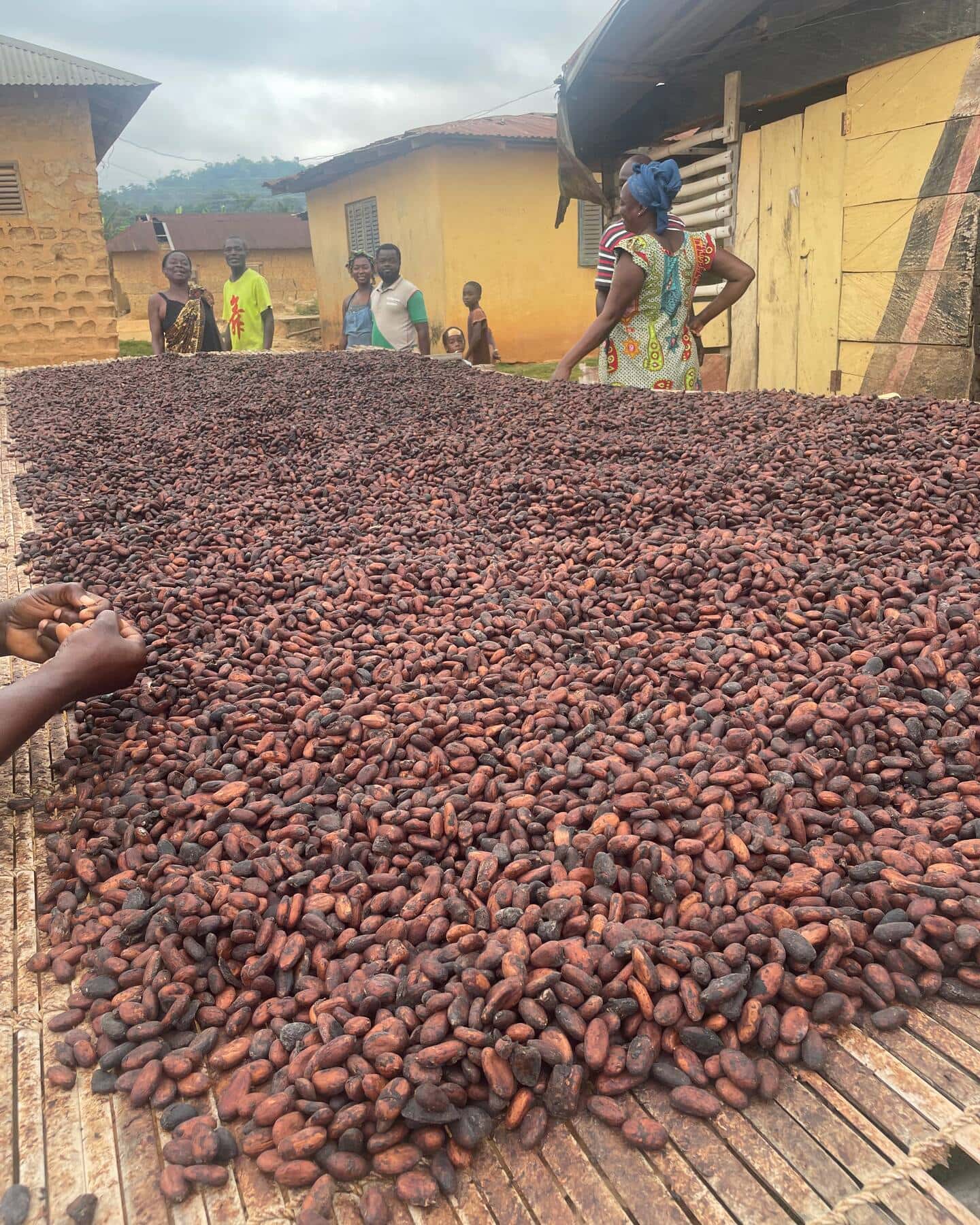
Juabeso‑Bia and Sefwi‑Wiawso, Western North Region
Where the evidence is gathered: cocoa agroforestry, tree tenure, restoration of degraded land and community forest management.
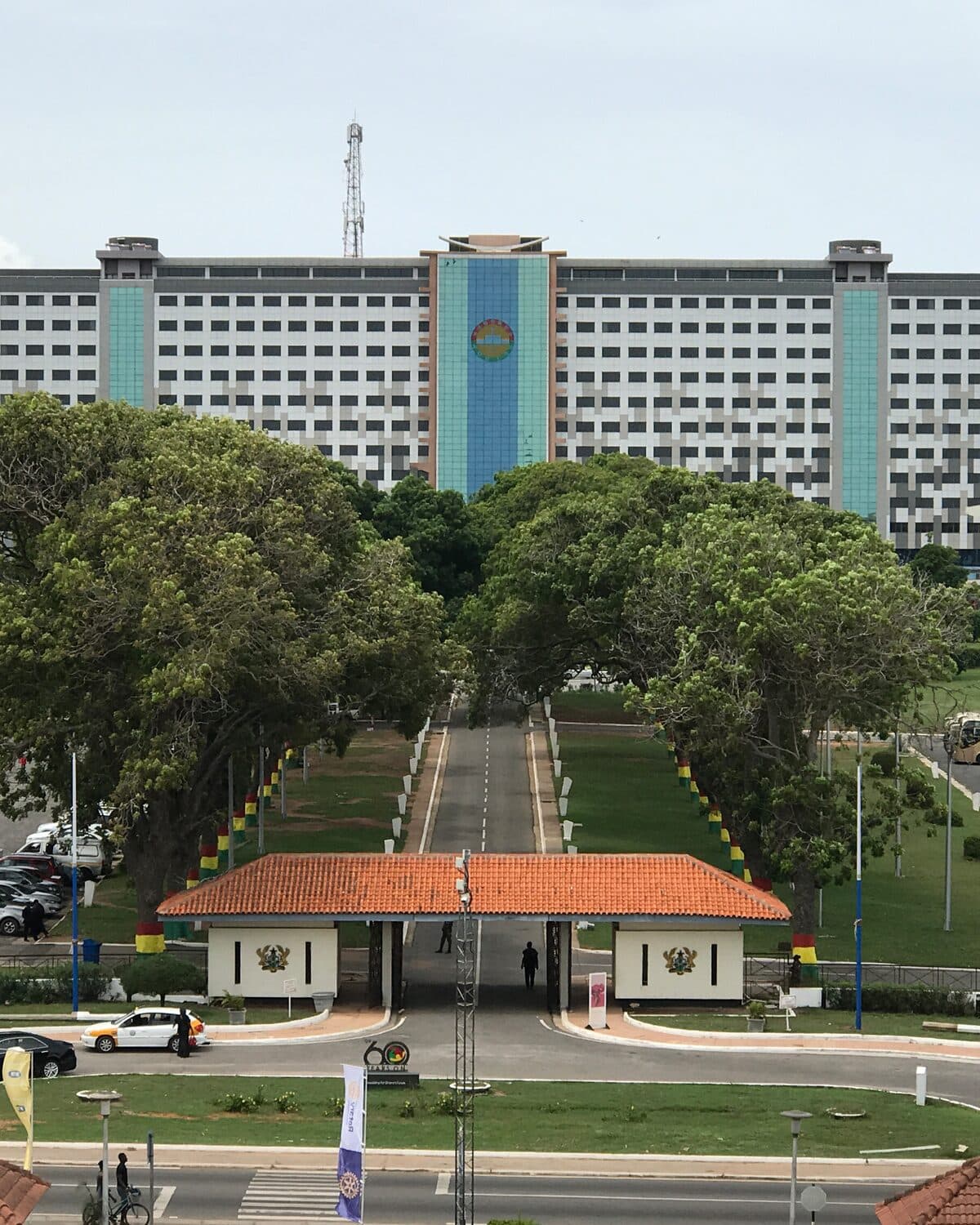
Accra
The Ministry of Lands and Natural Resources, the Forestry Commission, the Ghana Cocoa Board and Parliament.
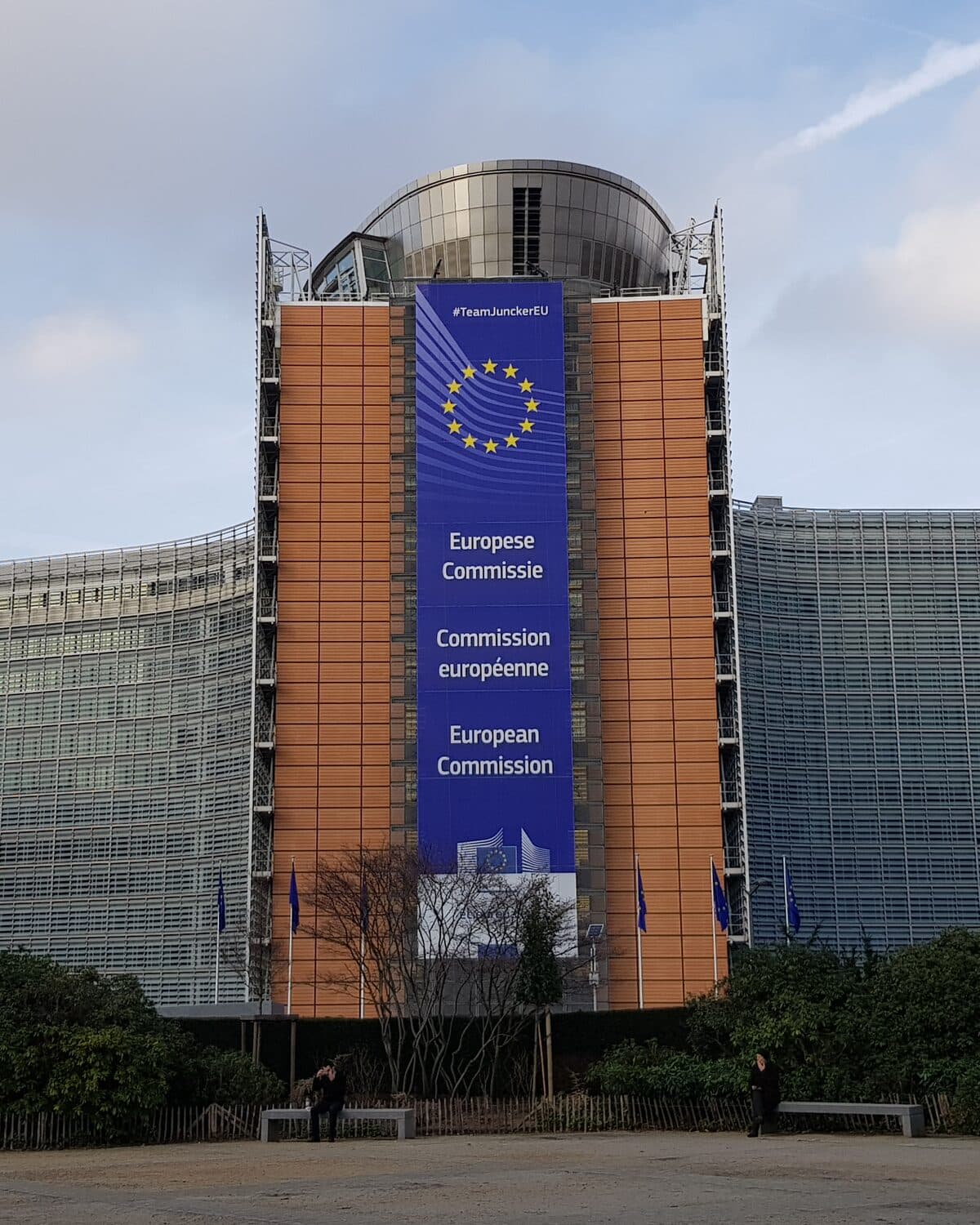
Brussels
The EU Deforestation Regulation (EUDR) and its implementing acts, which govern how Ghanaian cocoa reaches European markets.
International bodies
The UN climate convention (UNFCCC), the Convention on Biological Diversity and the International Tropical Timber Organization.
Tropenbos Ghana is part of the Tropenbos International network (external site), which works in ten countries: Bolivia, Colombia, DR Congo, Ethiopia, Ghana, Indonesia, Philippines, Suriname, Uganda and Viet Nam.
Five readers. One set of sources.
Switching the audience changes the framing and the tone, never the evidence or its citation.
Ghana ministry official
For Ghana’s national restoration commitments, the starting point matters: in the Juabeso‑Bia and Sefwi‑Wiawso landscapes, most cocoa farms had minimal tree cover, typically no more than 10%.
Cocoa company (sustainability team)
Sourcing from the Juabeso‑Bia and Sefwi‑Wiawso landscapes starts from a low tree-cover baseline: most cocoa farms there had minimal tree cover, typically no more than 10%.
EU regulator / DG ENV
Evidence from two of Ghana’s cocoa landscapes, Juabeso‑Bia and Sefwi‑Wiawso: a baseline study found that most cocoa farms had minimal tree cover, typically no more than 10%.
Donor / programme officer
The baseline for measuring change: at the start of the Working Landscapes programme, most cocoa farms in Juabeso‑Bia and Sefwi‑Wiawso had minimal tree cover, typically no more than 10%.
Community governance (CREMA)
When the programme started, a study found few trees on most cocoa farms in Juabeso‑Bia and Sefwi‑Wiawso, usually covering no more than a tenth of the farm.
“Making knowledge work for forests and people.”
Sign in to EviBrief
Sign in with your Tropenbos Ghana Workspace account. Personal Google accounts are not accepted.